
Procedure
Bone Grafting
Restore the foundation that makes implants possible.
What's Included
- Rebuilds bone lost to disease, extraction, or injury
- Socket preservation at the time of extraction
- Sinus bone grafts for the upper posterior jaw
- Guided bone regeneration with resorbable membranes
- Major jaw reconstruction for trauma or congenital defects
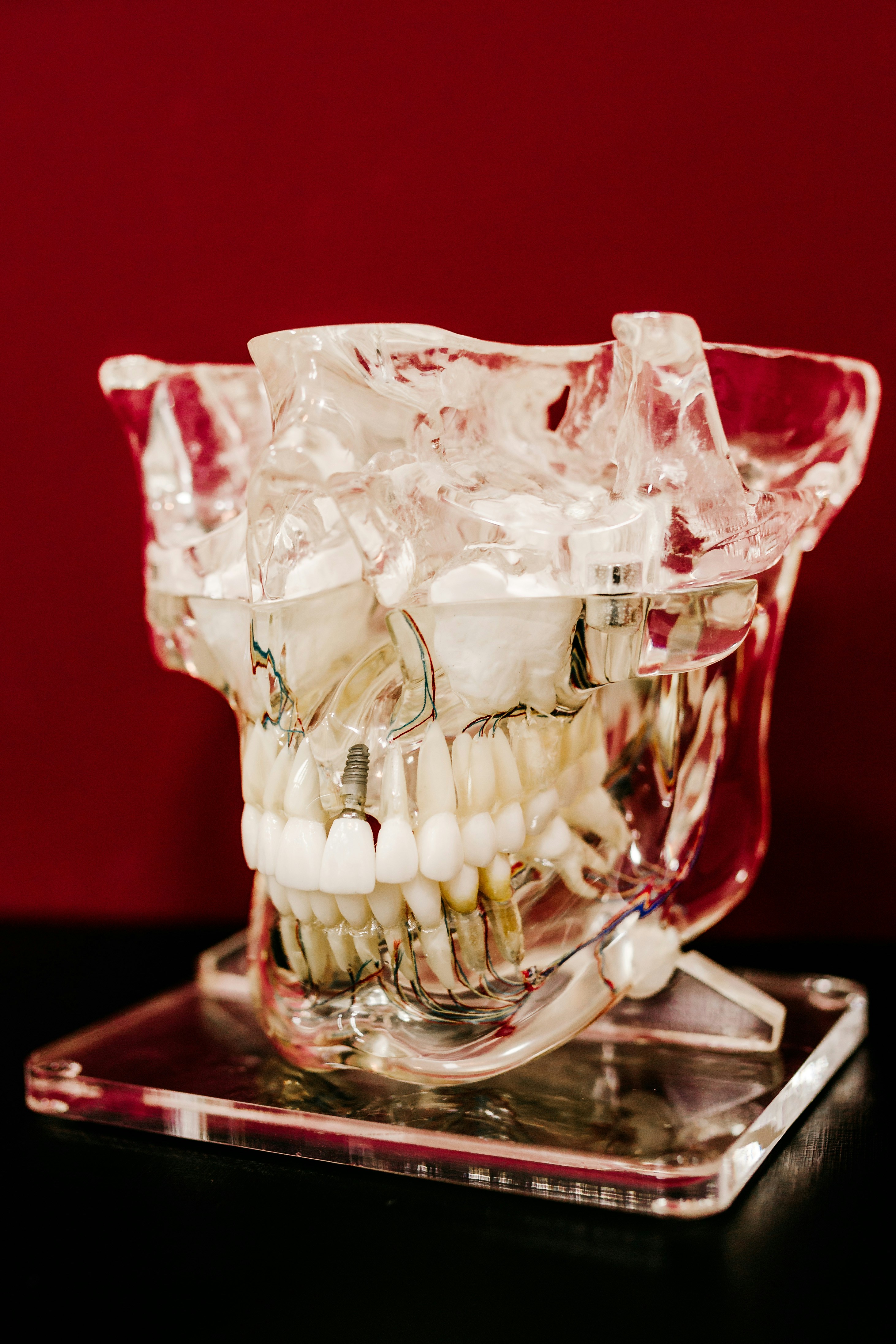
Over time, the jawbone associated with missing teeth atrophies and is reabsorbed by the body. This leaves many patients without sufficient bone quality or volume to support dental implants — the preferred standard of care for replacing missing teeth. Today, we have the ability to grow bone where it is needed, restoring both the structure and the possibility of a complete, functional smile.
Minor Bone Grafting
Socket Preservation
When a tooth is extracted, bone loss begins almost immediately. Without intervention, significant ridge width and height can be lost in the first year alone. Placing a bone graft at the time of extraction preserves the socket and maintains the architecture needed for future implant placement.
Ridge Augmentation
Patients who have already experienced bone loss may require ridge augmentation before implants can be placed. Bone is either obtained from a tissue bank or, when appropriate, from the patient's own jaw. Guided bone regeneration (GBR) membranes — some bioresorbable, some requiring removal — protect the graft and encourage new bone growth while excluding fast-growing soft tissue.
Sinus Bone Grafts
The upper posterior jaw sits immediately below the maxillary sinuses. After tooth loss in this region, the sinus floor can descend, leaving insufficient vertical bone for implant placement. A sinus lift grafts bone material into the floor of the sinus, elevating it to create the height needed.
Major Bone Grafting
Major bone grafts address significant defects of the jaw resulting from traumatic injuries, tumor surgery, or congenital abnormalities. For large defects, the patient's own bone is typically used, harvested from the skull (cranium), hip (iliac crest), or lateral knee (tibia). These are the most reliable donor sites for predictable, large-volume regeneration.
Major bone grafting procedures are routinely performed in an operating room setting and may require a brief hospital stay. Our dentists will discuss all logistics and what to expect during your consultation.
Bone Morphogenetic Protein (BMP)
In select cases, we use bone morphogenetic protein — a naturally occurring protein that stimulates specific cells in the body to produce new cartilage and bone. During surgery, the BMP is applied to a collagen sponge that is placed at the graft site. As the sponge resorbs over time, it releases the protein, which jump-starts the body's own bone-healing process.
The key advantage of BMP is that it eliminates the need to harvest bone from a secondary donor site, sparing patients from additional surgical sites and the associated recovery.
What to Expect
Bone grafting procedures range in complexity from minor chairside procedures to full operating room cases. Our dentists will outline a clear treatment plan, including the source of graft material, the technique to be used, recovery expectations, and the timeline to implant placement. Most patients are surprised by how manageable the recovery is even for more involved cases.
Reviewed by Dr. Stephen B. Hutton, DMD · Board-Certified Periodontist, Oral Plastic Surgery · Last updated
Real Patient Cases
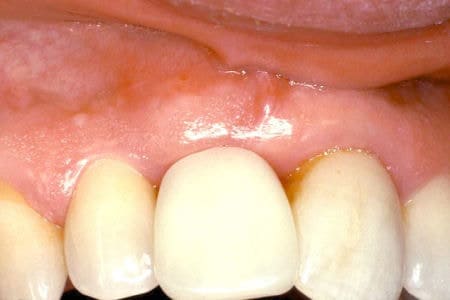
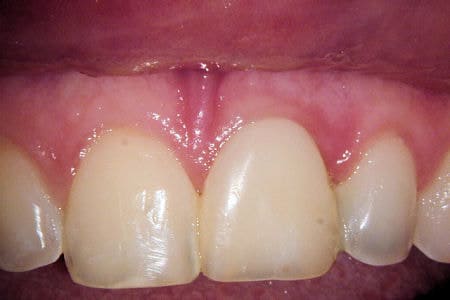
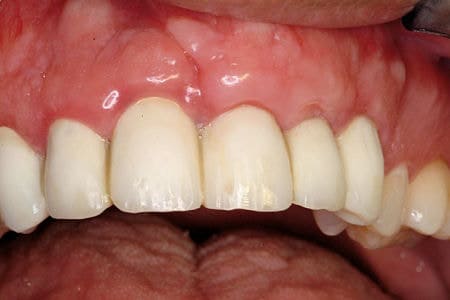
Documented Bone Grafting outcomes from our practice — full clinical narratives with before-and-after imagery.
Frequently Asked Questions
Why would I need a bone graft?
Bone grafting restores volume lost due to missing teeth, gum disease, trauma, or long-term denture use. It's most commonly done to rebuild the jawbone before or alongside dental implants — implants require sufficient bone to integrate and support a restoration long-term.
What materials are used for the graft?
We select graft material based on the clinical need: your own bone (autograft), processed donor bone (allograft), bovine-derived material (xenograft), or synthetic. Most cases use allograft or xenograft, which avoid a secondary surgical site and are extensively tested and FDA-regulated.
How long before I can get implants after a bone graft?
Typical healing is 4–6 months for the graft to fully integrate with native bone. For smaller grafts done at the time of tooth extraction (socket preservation), some cases allow implant placement within 3–4 months.
Is bone grafting painful?
We use local anesthesia during the procedure and oral sedation when preferred. Most patients describe recovery as similar to a tooth extraction — manageable with over-the-counter anti-inflammatories and resolved within a few days.
Ready to Start?
Our specialists will evaluate your situation and present clear options — no pressure, no guesswork.
Ready to Take the Next Step?
If you are ready to improve your smile, protect your oral health, or explore your treatment options, our team is here to help you get started.
Take the first step toward a healthier, more confident smile. Book a Pre-Consultation Call and receive expert esthetic oral surgery care.