
Procedure
Periodontal Health
Healthy gums are the foundation of everything.
What's Included
- Comprehensive periodontal screening and risk assessment
- Scaling and root planing (deep cleaning)
- LANAP laser gum therapy — no scalpel, no sutures
- Gum recession treatment and soft tissue grafting
- Maintenance therapy for long-term gum health

Your gums are more than a frame for your teeth — they are the biological foundation that supports every aspect of oral health. When gum disease progresses, the consequences extend well beyond your mouth, affecting your ability to eat, speak, and even your systemic health.
What Is Periodontal Disease?
Periodontal disease is an infection of the tissues that support your teeth. It begins as gingivitis — inflammation caused by bacterial plaque — and can advance to periodontitis, where the infection destroys the bone and connective tissue that anchor your teeth. Left untreated, periodontal disease is the leading cause of tooth loss in adults. It is also associated with increased risk of cardiovascular disease, diabetes complications, and preterm birth.
How We Treat It
At Oral Plastic Surgery, we offer the full spectrum of periodontal care: from early-stage prevention and conservative treatment to advanced surgical intervention. Our approach starts with a comprehensive assessment — including full-mouth probing, digital radiographs, and a thorough review of your medical history and risk factors.
Non-Surgical Options
For early-to-moderate disease, we often begin with non-surgical treatment:
- Scaling and root planing — a thorough deep cleaning that removes bacterial deposits from beneath the gumline and smooths root surfaces to discourage reattachment of bacteria
- LANAP laser therapy — an FDA-cleared protocol that uses a specific laser wavelength to selectively kill disease-causing bacteria and stimulate regeneration, without incisions or sutures
- Localized antibiotic therapy — antimicrobial agents placed directly into periodontal pockets to reduce bacterial load
Surgical Options
When disease is advanced or has not responded to initial treatment, surgical intervention may be necessary:
- Osseous surgery (pocket reduction) — reshaping of the bone and gum tissue to eliminate deep pockets where bacteria accumulate
- Regenerative surgery — placement of bone grafts, membranes, and growth factors to rebuild bone and attachment lost to disease
- Soft tissue grafting — covering exposed roots, thickening thin gum tissue, and correcting recession for both health and esthetic outcomes
Long-Term Maintenance
Periodontal disease is a chronic condition — successful treatment is not a cure, but a controlled state that requires ongoing maintenance. We design individualized periodontal maintenance programs (typically every 3–4 months) that keep disease suppressed and give us early warning of any recurrence.
Sources
The clinical evidence for periodontal disease, its systemic connections, and treatment protocols is well established:
- Centers for Disease Control and Prevention — Periodontal Disease — CDC prevalence and risk data
- American Academy of Periodontology — Gum Disease Information — patient-facing clinical overview
- Tonetti MS, et al. — Periodontitis and atherosclerotic cardiovascular disease — Journal of Clinical Periodontology, 2013
Reviewed by Dr. Stephen B. Hutton, DMD · Board-Certified Periodontist, Oral Plastic Surgery · Last updated
Real Patient Cases
Documented Periodontal Health outcomes from our practice — full clinical narratives with before-and-after imagery.

Restoring Health, Comfort, and Aesthetics by Eliminating Diseased Teeth
Phil had battled advanced periodontal disease and failing teeth for years.
Dr. John E. Lofthus
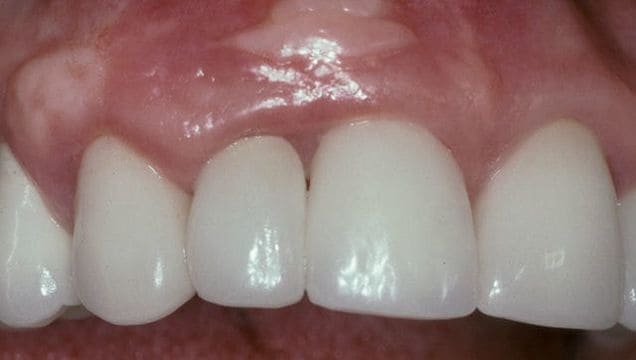
Healthy gums after multiple failed procedures
Healthy gums after multiple failed procedures
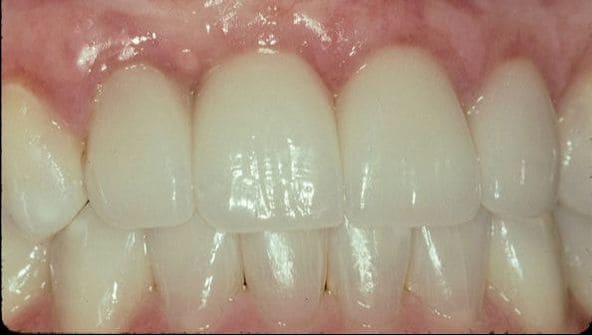
Healthy gums after 4 previous unsuccessful procedures
Healthy gums after 4 previous unsuccessful procedures
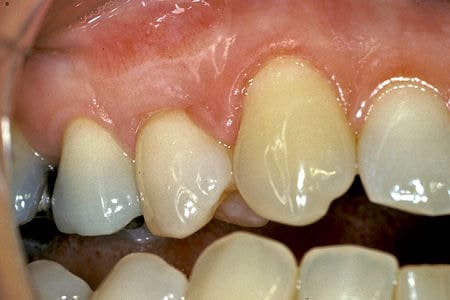
Restoring Healthy Gum after Root Decay
Restoring Healthy Gum after Root Decay
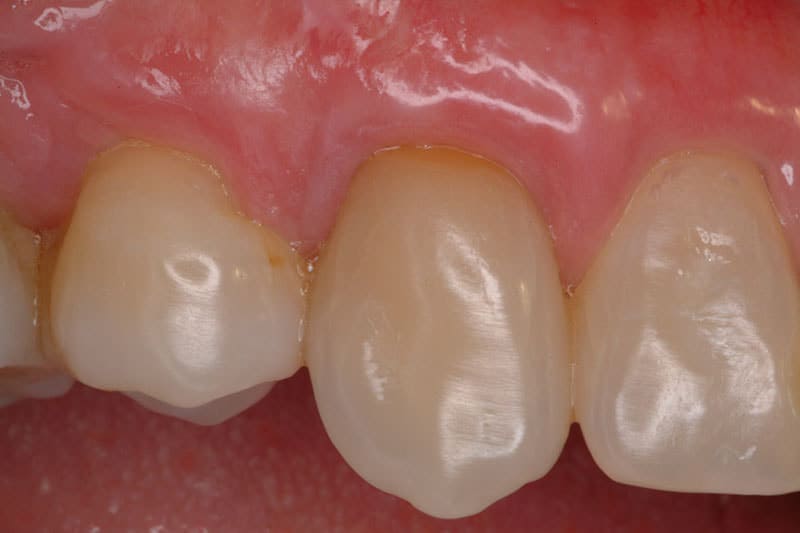
Restoring Healthy Gum over Lesion
Restoring Healthy Gum over Lesion
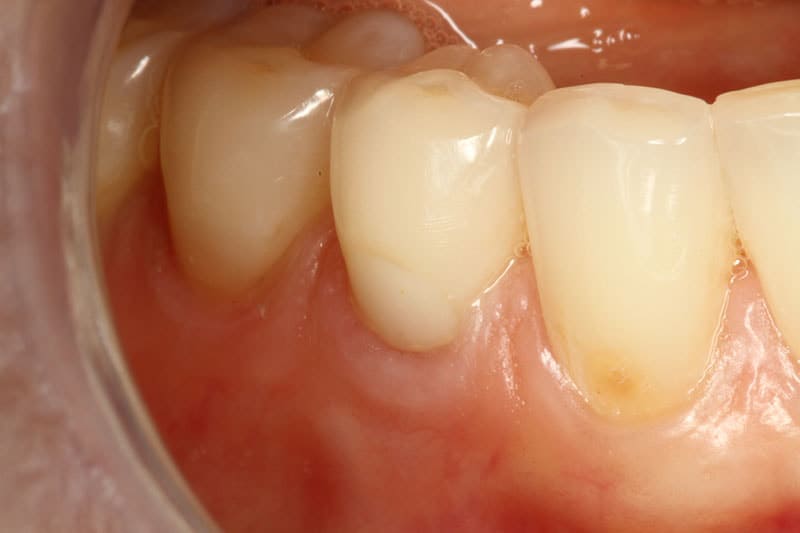
Restoring Healthy Gum after Decay
Restoring Healthy Gum after Decay
Frequently Asked Questions
What are the early warning signs of gum disease?
The earliest signs are often bleeding when brushing or flossing, gum tenderness, and persistent bad breath. As the disease progresses, gums may begin to recede, teeth can feel loose, and pockets form between the gum and tooth. Many patients have no pain until significant damage has occurred — which is why regular periodontal evaluations matter even when everything feels fine.
Can gum disease be reversed?
Early-stage gingivitis is fully reversible with professional cleaning and improved home care. Once the disease has progressed to periodontitis — where bone loss has begun — it can be controlled and stabilized, but lost bone does not regrow on its own. The goal at that point is to stop further damage and, where indicated, use regenerative techniques to rebuild structure.
How often should I see a periodontist?
Patients with healthy gums typically continue general-dentist cleanings every 6 months. If you have active periodontal disease or a history of it, we recommend periodontal maintenance every 3–4 months, because bacteria repopulate pockets faster than routine cleanings can control.
Is periodontal treatment covered by dental insurance?
Most dental insurance plans cover a portion of periodontal care including scaling and root planing, periodontal maintenance, and surgical therapy when medically necessary. Coverage varies significantly. Our team verifies your benefits in advance and provides a clear estimate before treatment begins.
Ready to Start?
Our specialists will evaluate your situation and present clear options — no pressure, no guesswork.
Ready to Take the Next Step?
If you are ready to improve your smile, protect your oral health, or explore your treatment options, our team is here to help you get started.
Take the first step toward a healthier, more confident smile. Book a Pre-Consultation Call and receive expert esthetic oral surgery care.