
Procedure
Gum Grafting
Protect exposed roots and restore your gum line.
What's Included
- Covers exposed root surfaces
- Eliminates root sensitivity to hot and cold
- Stops and prevents further gum recession
- Creates a stable band of attached gum tissue
- Highly predictable outcomes

When gum recession occurs, the body loses a critical natural defense against bacterial penetration and physical trauma. Exposed root surfaces are more sensitive, more susceptible to decay, and more prone to continued recession. Gum grafting — using the patient's own tissue to reconstruct the gum line — is a highly predictable solution.
When Is Grafting Necessary?
Minor recession often leaves some healthy gingiva in place, which continues to protect the tooth. In these cases, modifying home care practices may be sufficient.
When recession reaches the mucosa — the softer, less-protective tissue beyond the attached gingiva — the first line of defense is gone. At this point, grafting is typically recommended to:
- Cover exposed root surfaces
- Eliminate temperature sensitivity
- Halt the progression of recession
- Prevent root caries and root surface damage
- Improve the appearance of an uneven or receded gum line
The Gum Grafting Procedure
A gingival graft uses a small piece of tissue taken from the roof of the mouth (palatal donor site) or, in some techniques, tissue is gently mobilized from adjacent areas. This tissue is placed at the recipient site — around the affected tooth or teeth — to provide a stable, attached band of gingiva.
The graft may be positioned to cover the exposed portion of the root partially or completely, depending on the degree of recession and the tissue available. Most patients find the procedure more comfortable than anticipated, and recovery is manageable with the instructions we provide.
Outcomes
Gum grafting is among the most predictable procedures in periodontal surgery. A successful graft results in:
- A stable, healthy band of attached tissue around the tooth
- Partial or complete root coverage
- Resolution of sensitivity
- Resistance to further recession
- An improved, more natural-looking smile
Our dentists will discuss realistic expectations for your specific case during consultation, including how much root coverage is achievable based on the current anatomy.
Sources
Gum grafting outcomes and clinical indications are supported by extensive peer-reviewed research:
- American Academy of Periodontology — Gum Graft Surgery
- Cairo F, et al. — Root coverage procedures: a systematic review — Journal of Clinical Periodontology, 2014
- American Dental Association — Gingival Grafting
Reviewed by Dr. Stephen B. Hutton, DMD · Board-Certified Periodontist, Oral Plastic Surgery · Last updated
Real Patient Cases
Documented Gum Grafting outcomes from our practice — full clinical narratives with before-and-after imagery.
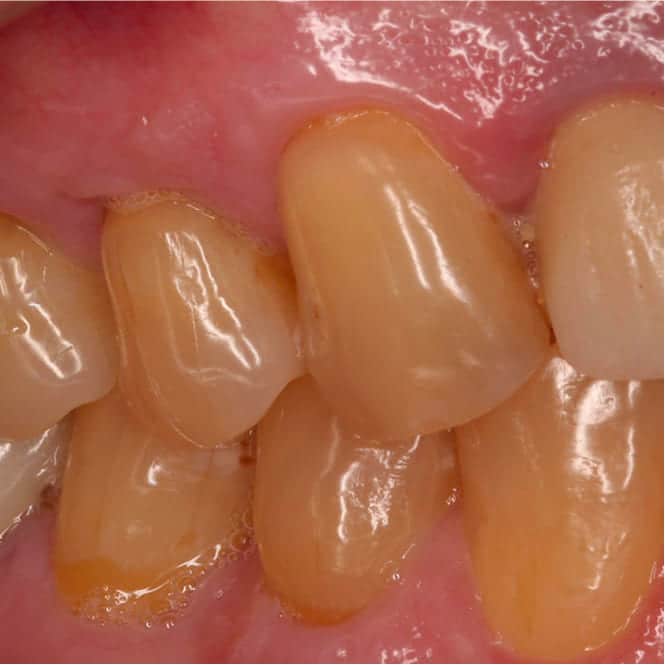
Severely Exposed, Demineralized Roots Restored in a Single Microsurgical Visit
Niko had longstanding gum recession with severe root exposure affecting multiple teeth.
Dr. Stephen Hutton
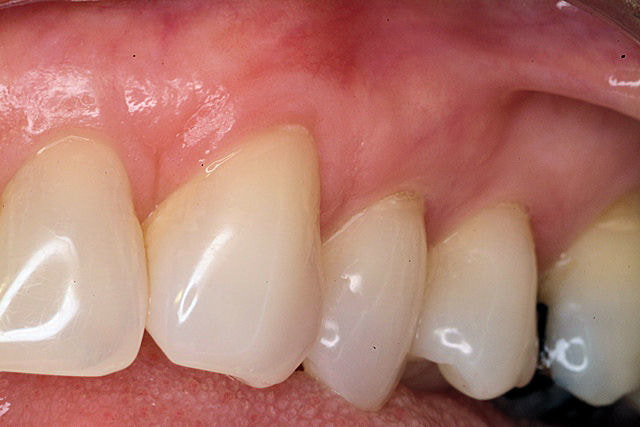
Fixing tooth recession
Fixing tooth recession
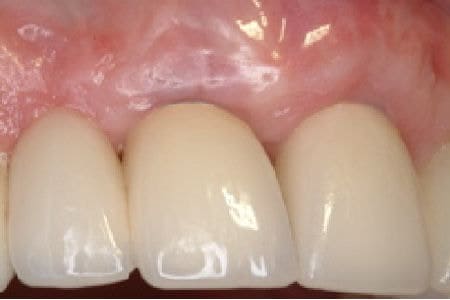
Gum procedures – gum line repair
Gum procedures – gum line repair
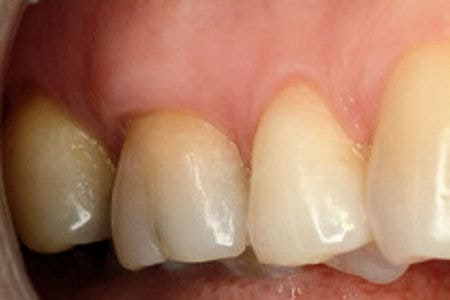
Gum procedures – repairing the gum line
Gum procedures – repairing the gum line
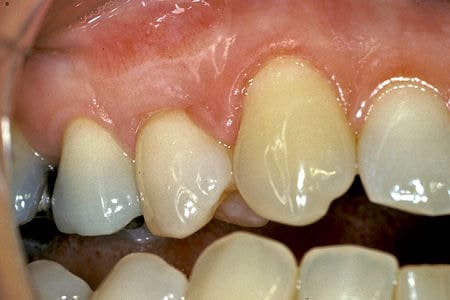
Restoring Healthy Gum after Root Decay
Restoring Healthy Gum after Root Decay
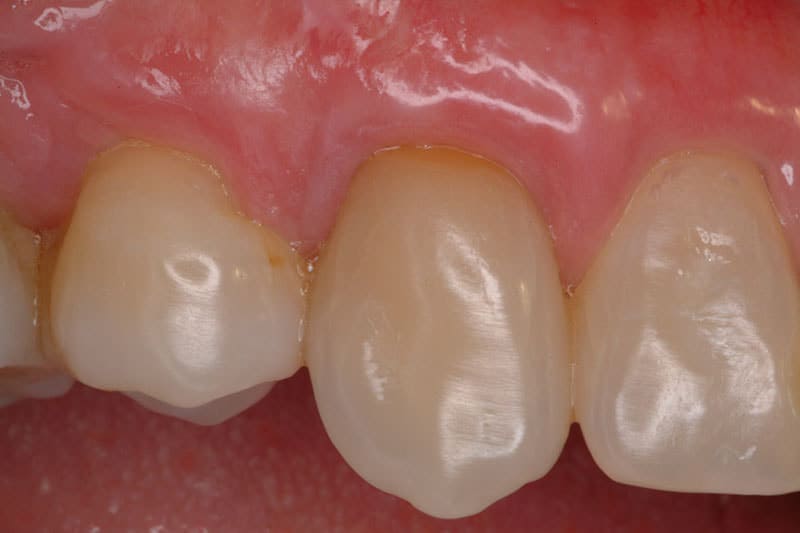
Restoring Healthy Gum over Lesion
Restoring Healthy Gum over Lesion
Frequently Asked Questions
How long does gum grafting take to heal?
Most patients experience initial healing within 1–2 weeks, with full tissue maturation over 4–6 weeks. Discomfort is typically manageable with over-the-counter pain relief during the first few days, and most patients return to normal activities quickly.
Does gum grafting hurt?
The procedure is performed under local anesthesia, so discomfort during treatment is minimal. Post-operative soreness at both the donor and recipient sites is common for several days but is typically well-controlled with prescribed medication and care instructions we provide.
How much does gum grafting cost in La Jolla?
Costs vary depending on the number of teeth treated and the technique required. We provide a detailed treatment plan and cost estimate at your consultation. Many dental insurance plans offer partial coverage for gum grafting when performed for functional reasons — to prevent further recession, root decay, or tooth loss.
Will my insurance cover gum grafting?
Coverage depends on your specific plan and whether the procedure is deemed medically necessary. When gum grafting is recommended to prevent further recession or protect against tooth loss, insurance often provides partial reimbursement. Our team assists with pre-authorization and documentation.
Ready to Start?
Our specialists will evaluate your situation and present clear options — no pressure, no guesswork.
Ready to Take the Next Step?
If you are ready to improve your smile, protect your oral health, or explore your treatment options, our team is here to help you get started.
Take the first step toward a healthier, more confident smile. Book a Pre-Consultation Call and receive expert esthetic oral surgery care.