
Procedure
Jawbone Health
Structural integrity you can feel — and see.
What's Included
- Jawbone density evaluation and diagnostics
- Pre-implant bone assessment and planning
- Treatment of osteonecrosis and pathologic bone loss
- Post-extraction site management
- Preventive strategies to slow bone resorption
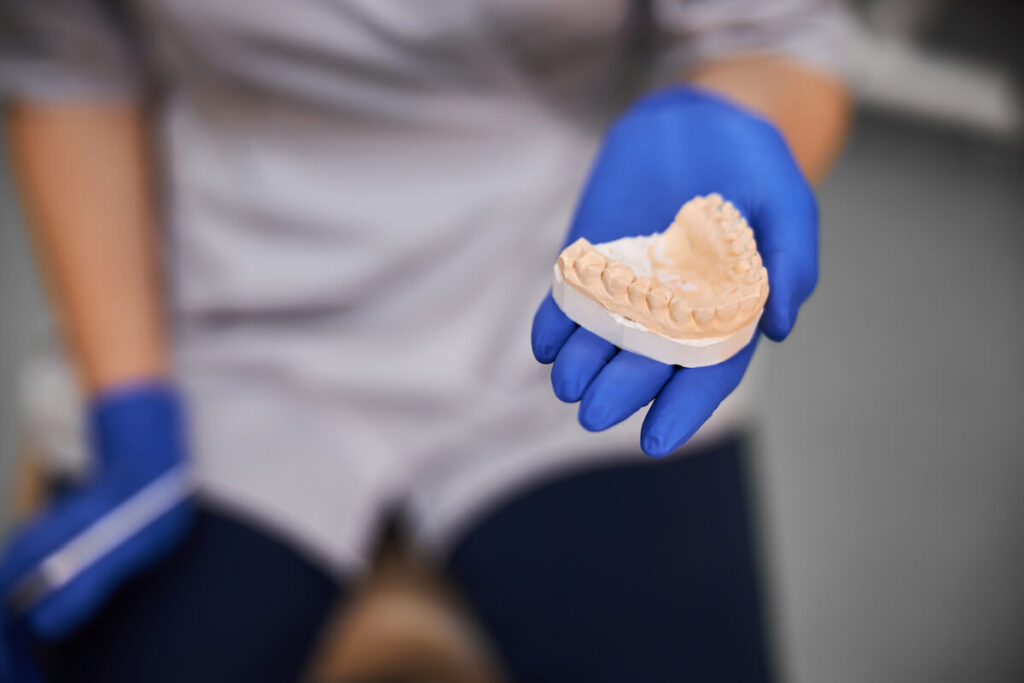
The jawbone is the silent infrastructure of your oral health. When it deteriorates — through tooth loss, disease, or aging — the effects are cascading: implants fail, facial contours change, and neighboring teeth destabilize.
Why Jawbone Health Matters
Bone is living tissue. It maintains its volume and density in response to mechanical stimulation — primarily the forces transmitted through teeth during chewing. When teeth are lost, the bone that supported them no longer receives that stimulation and begins to resorb. Over time, this resorption can change the shape of your face, compromise the fit of dentures, and make implant placement increasingly difficult.
Jawbone health is also affected by:
- Periodontal disease — bacterial infection that destroys the alveolar bone supporting teeth
- Medications — certain medications (notably bisphosphonates used for osteoporosis) can cause a condition called osteonecrosis of the jaw
- Systemic conditions — diabetes, osteoporosis, and autoimmune disorders can affect bone quality and healing
- Radiation therapy — to the head and neck can damage bone's ability to heal and regenerate
Our Approach to Jawbone Evaluation
We evaluate jawbone health as a foundational step in every treatment plan. Using 3D cone-beam CT imaging, we assess:
- Bone volume — is there enough bone in height, width, and depth to support implants?
- Bone density — is the bone quality sufficient for predictable implant integration?
- Bone architecture — are there cortical plate deficiencies, dehiscences, or fenestrations that affect planning?
- Pathology — are there cysts, lesions, or areas of necrosis that require treatment before proceeding?
This level of detail is not available from conventional X-rays. The 3D image gives us a complete picture of what we are working with.
Treatment Approaches
Pre-Implant Bone Preparation
If bone volume or quality is insufficient for implant placement, we plan the necessary grafting procedures first. This may include socket preservation, ridge augmentation, sinus lifts, or staged block grafting — depending on the location and severity of deficiency.
Osteonecrosis Management
Medication-related osteonecrosis of the jaw (MRONJ) is a serious but manageable condition. We work closely with your prescribing physician to assess risk, modify treatment protocols where possible, and manage any exposed bone conservatively or surgically depending on severity.
Preventive Bone Preservation
The best treatment for jawbone loss is prevention. When a tooth must be extracted, immediate socket preservation significantly limits resorption. When periodontal disease is active, prompt treatment stops the bacterial destruction of supporting bone. We advise on all of these preventive strategies at your consultation.
Working with Your Medical Team
Jawbone health does not exist in isolation. We communicate directly with your primary care physician, endocrinologist, or oncologist when systemic conditions affect treatment planning. You deserve a team that sees the whole picture — not just the inside of your mouth.
Reviewed by Dr. Stephen B. Hutton, DMD · Board-Certified Periodontist, Oral Plastic Surgery · Last updated
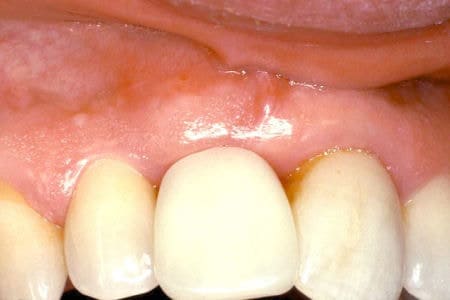
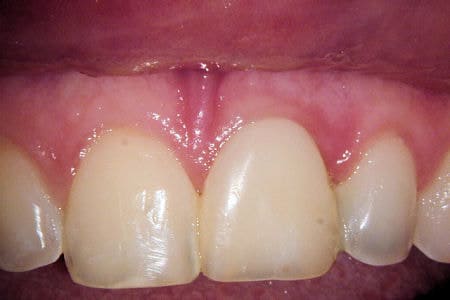
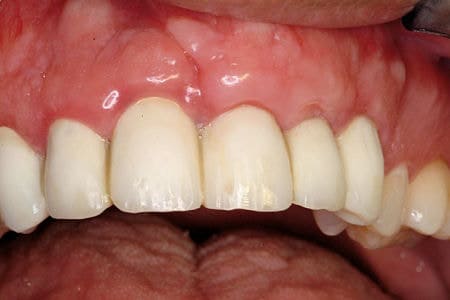
Real Patient Cases
Documented Jawbone outcomes from our practice — full clinical narratives with before-and-after imagery.
Frequently Asked Questions
What causes jawbone loss?
The most common cause is tooth loss — without a tooth root or implant stimulating the bone, the body resorbs it over time. Periodontal disease, long-term denture use, trauma, and certain medications can also contribute. Significant bone loss typically develops gradually and silently.
How do I know if I'm losing jawbone?
Early bone loss is usually invisible without imaging. Later signs include a sunken appearance in the lower face, denture fit changes, difficulty chewing, or teeth shifting position. We use 3D cone-beam CT imaging to precisely measure bone volume and density and identify loss before it limits treatment options.
Can lost jawbone be rebuilt?
Yes — in most cases. Modern bone grafting, sinus lifts, ridge augmentation, and guided regeneration techniques can restore lost bone volume. The right procedure depends on where the loss is, how much has been lost, and what you're trying to restore.
If I have bone loss, can I still get dental implants?
Usually yes. Even patients with severe loss can often be treated with advanced grafting, shorter implants, or zygomatic implants anchored in the cheekbone. A comprehensive evaluation determines the right path — being told elsewhere that you're "not a candidate" is often a reason for a second opinion.
Ready to Start?
Our specialists will evaluate your situation and present clear options — no pressure, no guesswork.
Ready to Take the Next Step?
If you are ready to improve your smile, protect your oral health, or explore your treatment options, our team is here to help you get started.
Take the first step toward a healthier, more confident smile. Book a Pre-Consultation Call and receive expert esthetic oral surgery care.