
Procedure
Prophylaxis (Teeth Cleaning)
A clean mouth is a healthy mouth.
What's Included
- Removes plaque and tartar above and below the gum line
- Halts the progression of gingivitis and periodontal disease
- Eliminates surface stains for a brighter smile
- Reduces bad breath caused by bacterial buildup
- Recommended every 3–4 months for periodontitis patients
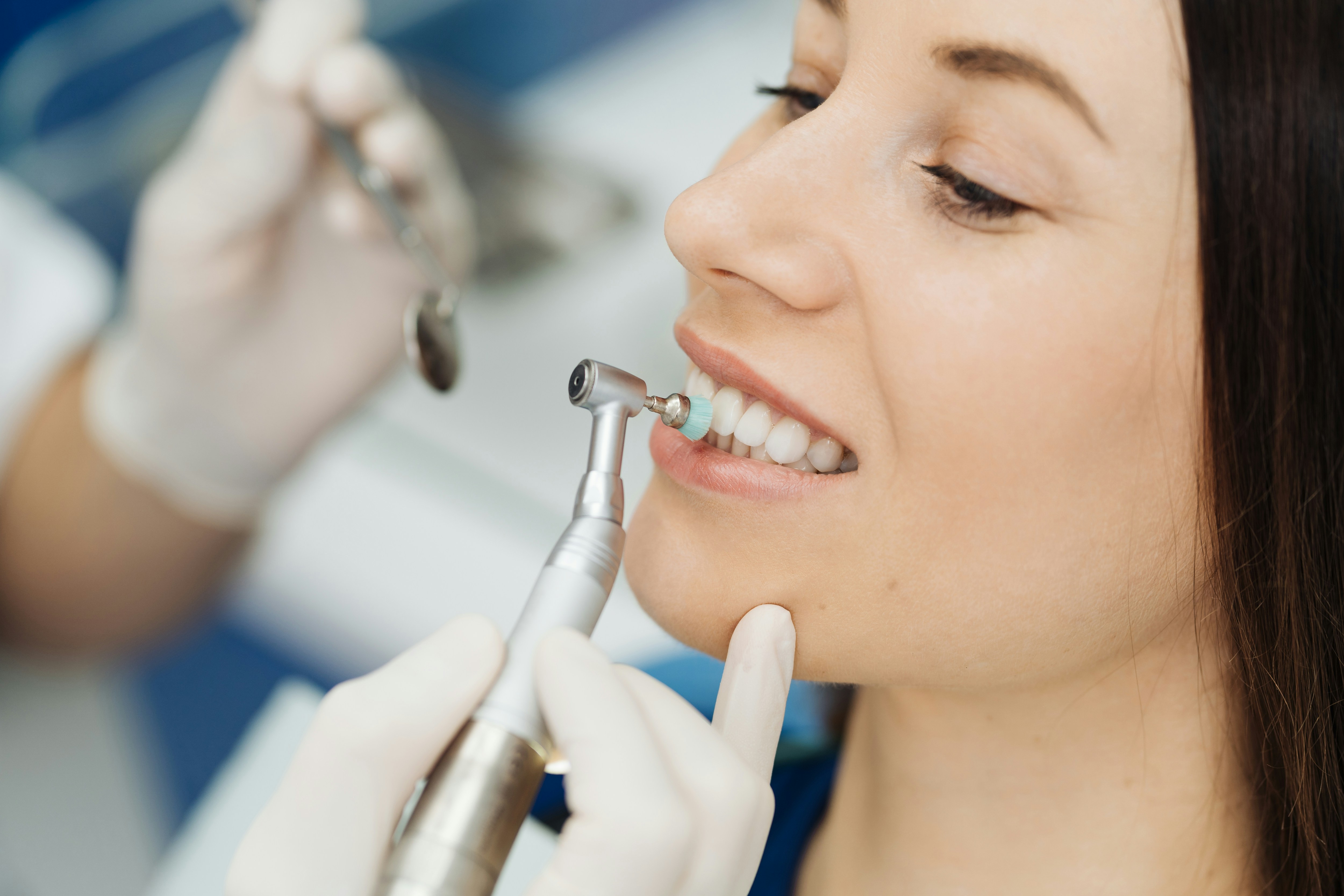
A dental prophylaxis is a professional cleaning treatment that thoroughly removes debris, bacteria, and deposits from teeth and gums. It is one of the most important preventive measures available for stopping the progression of gingivitis and periodontal disease.
Why Prophylaxis Matters
Even with a diligent home brushing and flossing routine, it is difficult — often impossible — to remove all plaque and tartar from gum pockets. Specialized dental instruments in the hands of an experienced clinician can reach areas that home care simply cannot.
Regular prophylaxis keeps the oral cavity in proper health and interrupts the disease cycle before it advances.
Benefits of Professional Cleaning
Plaque and Tartar Removal
Tartar (calculus) and plaque accumulate both above and below the gum line. If left in place, they cause serious periodontal problems. Our dentists use specialized equipment to identify and remove potentially damaging buildup that home care misses.
A Healthier-Looking Smile
Stained and yellowed teeth can dramatically reduce the esthetics of a smile. Prophylaxis is highly effective at removing surface stains caused by coffee, tea, wine, and other foods.
Fresher Breath
Bad breath (halitosis) is frequently a sign of advancing periodontal disease. A combination of rotting food particles below the gum line and bacterial infection contributes to persistent odor. Routine removal of plaque, calculus, and bacteria noticeably improves halitosis and reduces infection.
How Often Should You Have a Cleaning?
We recommend prophylaxis twice annually as a preventive measure for most patients. For patients with active periodontitis, cleanings every 3–4 months are necessary to effectively suppress disease activity.
Prophylaxis can be performed by your general dentist, but patients with known periodontal disease often benefit from having cleanings performed by our dentists, who are more familiar with the full scope of their condition and can monitor changes closely over time.
It is important to note that gum disease cannot be completely reversed — but professional prophylaxis is one of the most effective tools for halting its progression and maintaining the health you have.
Reviewed by Dr. Stephen B. Hutton, DMD · Board-Certified Periodontist, Oral Plastic Surgery · Last updated
Frequently Asked Questions
How often should I get my teeth cleaned?
Patients with healthy gums benefit from a cleaning every 6 months. Patients with a history of gum disease or active risk factors (smoking, diabetes, family history) typically need periodontal maintenance every 3–4 months to keep bacteria in check.
What's the difference between a regular cleaning and a deep cleaning?
A regular cleaning (prophylaxis) removes plaque and tartar from the visible tooth surface and just below the gumline on healthy gums. A deep cleaning (scaling and root planing) is performed when periodontal pockets have formed — it cleans below the gumline and smooths the root surface to help the gums reattach.
Does a cleaning hurt?
Routine cleanings are generally comfortable. Some patients with inflamed gums or heavy deposits may experience mild sensitivity, which quickly resolves after the cleaning. For patients with tender gums we can use topical anesthetic.
Does dental insurance cover teeth cleanings?
Most dental plans cover two preventive cleanings per year in full or at a high percentage. Periodontal maintenance (for patients with a periodontal diagnosis) is typically also covered, though coverage intervals vary. Our team will verify your benefits before your appointment.
Ready to Start?
Our specialists will evaluate your situation and present clear options — no pressure, no guesswork.
Ready to Take the Next Step?
If you are ready to improve your smile, protect your oral health, or explore your treatment options, our team is here to help you get started.
Take the first step toward a healthier, more confident smile. Book a Pre-Consultation Call and receive expert esthetic oral surgery care.