
Procedure
Gum Disease Laser Therapy
Advanced treatment — no scalpel, no sutures, no anxiety.
What's Included
- No scalpel or sutures required
- Reduced bleeding and swelling
- Virtually painless — anesthesia often minimized
- Sterilizes as it works, reducing infection risk
- Faster healing than traditional surgery
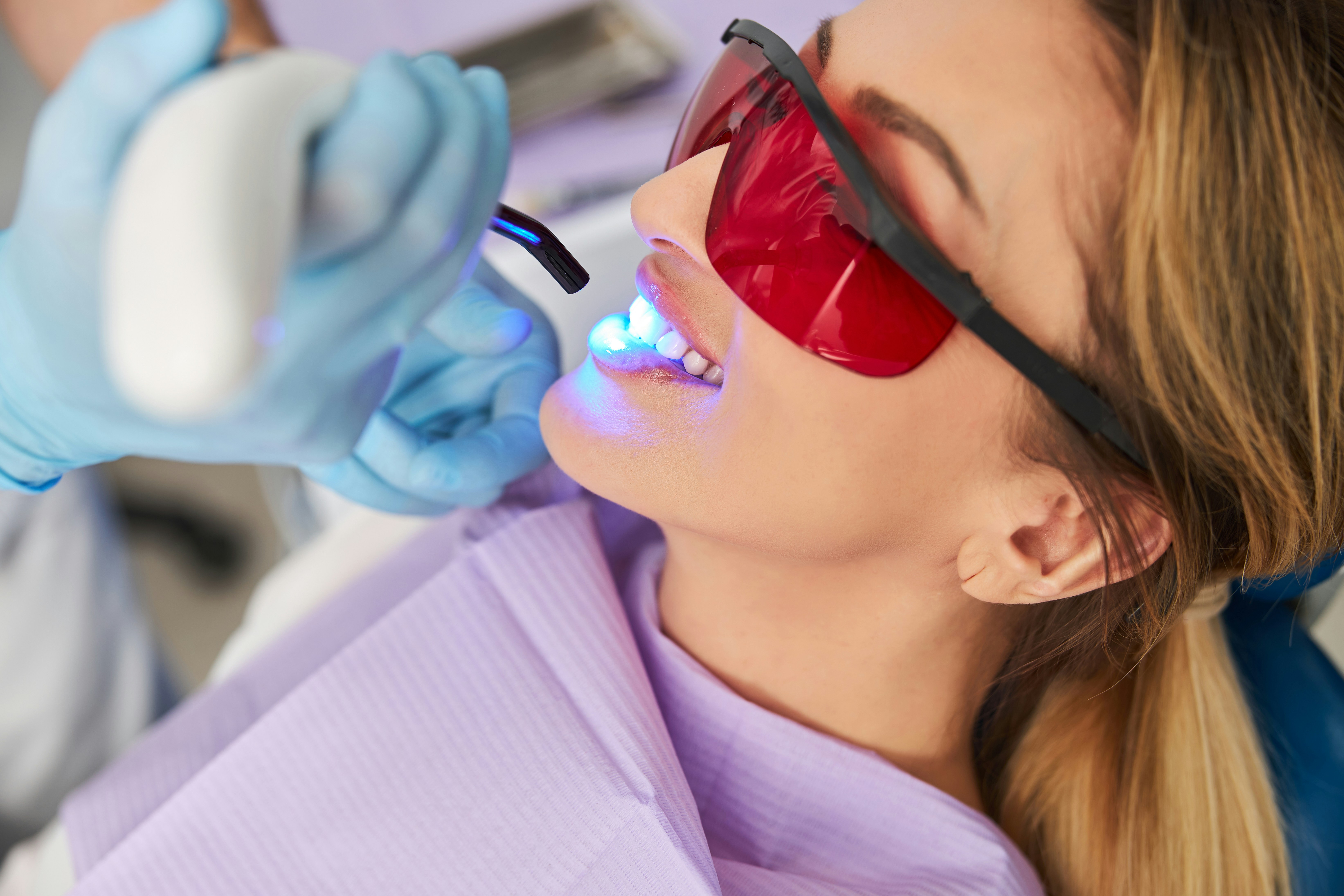
Laser therapy represents the leading edge of periodontal treatment. By replacing the traditional scalpel-and-sutures approach with a precisely targeted beam of light energy, our dentists can treat gum disease with exceptional accuracy, minimal discomfort, and dramatically faster recovery.
Benefits of Laser Treatment
Comfort
Laser treatment produces reduced or no bleeding, minimized swelling, no drill noise, and no vibration. The stress and anxiety commonly associated with dental procedures is greatly diminished. Postoperative sensitivity is limited, and healing begins immediately after the procedure is completed — a direct result of the less-invasive nature of the laser technique.
Reduced Risk of Infection
The laser's high-energy light beam acts as a sterilizer on the tissue it contacts, reducing the risk of bacterial infection and recurrence. This is a meaningful advantage in a disease driven by bacterial colonization.
Anesthesia Often Minimized or Eliminated
Because laser treatment is virtually painless, many procedures require only a light anesthetic spray. For patients who experience anxiety around injections, numbness, or the side effects of full anesthesia, this is a significant benefit.
What Laser Therapy Can Treat
Our dentists use laser technology to perform a range of periodontal and soft tissue procedures, including:
- Periodontal disease treatment — targeting and eliminating bacteria deep within pockets while stimulating regeneration of healthy gum tissue
- Frenectomy — removal of a restrictive frenum (the tissue connecting the lip or tongue to the gum)
- Osseous surgery — reshaping infected bone and gum tissue with greater precision
- Gum grafting — using laser energy to prepare recipient sites and support healing
- Diseased tissue removal — removing infected or abnormal tissue in a way that encourages healthy reattachment
Regeneration, Not Just Removal
One of the most compelling aspects of laser therapy is its regenerative potential. The laser is used not only to eliminate diseased tissue and bacteria, but to stimulate healthy gum tissue to regenerate and reattach to the tooth surface. This dual action — removing disease while promoting healing — results in more durable outcomes and a significantly lower rate of disease recurrence compared to traditional surgery.
Reviewed by Dr. Stephen B. Hutton, DMD · Board-Certified Periodontist, Oral Plastic Surgery · Last updated
Real Patient Cases
Documented Laser Therapy outcomes from our practice — full clinical narratives with before-and-after imagery.
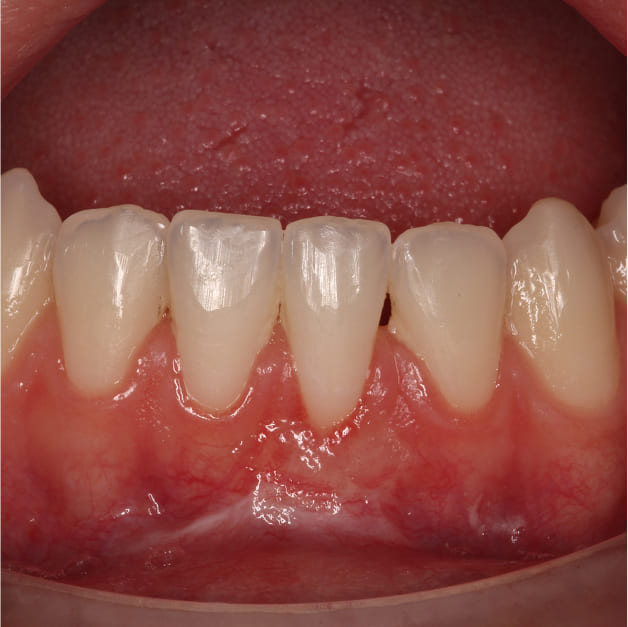
From Painful Sensitivity to a Healthy, Confident Smile
Ashley was referred by her pediatric dentist for relief from gum sensitivity and irritation she had been experiencing.
Dr. Stephen Hutton
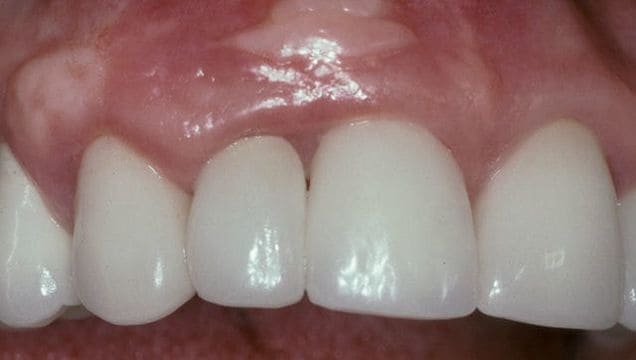
Healthy gums after multiple failed procedures
Healthy gums after multiple failed procedures
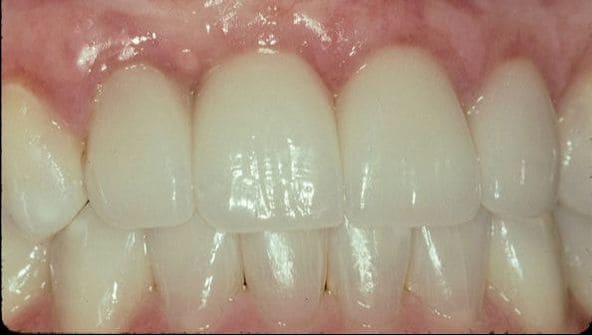
Healthy gums after 4 previous unsuccessful procedures
Healthy gums after 4 previous unsuccessful procedures
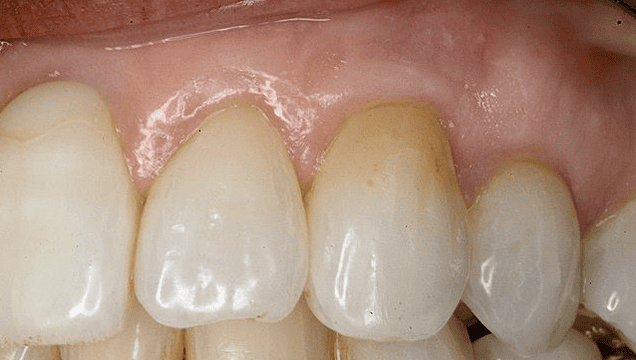
Root Filling Alternative
Root Filling Alternative
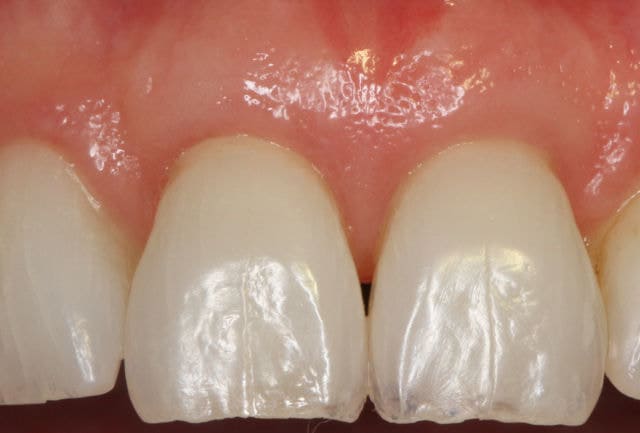
Restoring Healthy Gums following Failed Composite Restoration & Decay
Restoring Healthy Gums following Failed Composite Restoration & Decay
Frequently Asked Questions
Is LANAP laser therapy covered by insurance?
LANAP and laser periodontal therapy are covered by many periodontal insurance plans as alternatives to traditional gum surgery. Coverage varies by carrier and plan. Our team will verify your benefits before treatment and provide a complete cost estimate so there are no surprises.
How is laser therapy different from traditional gum surgery?
Traditional periodontal surgery requires incisions, sutures, and several weeks of recovery. Laser therapy uses a specific wavelength of light to selectively eliminate diseased tissue and bacteria while leaving healthy tissue intact — no scalpel, no sutures. Most patients return to normal activity the same or next day.
What is the success rate of laser therapy for gum disease?
Clinical studies show laser therapy achieves outcomes comparable to traditional surgery for moderate-to-severe periodontitis, with significantly less postoperative discomfort and faster healing. Long-term success depends on patient compliance with periodontal maintenance appointments every 3–4 months.
Is laser treatment painful?
Most patients report substantially less discomfort compared to traditional surgery. Because the laser is minimally invasive, many procedures require only a light anesthetic spray rather than injections. Post-operative soreness is typically mild and resolves within a day or two.
Ready to Start?
Our specialists will evaluate your situation and present clear options — no pressure, no guesswork.
Ready to Take the Next Step?
If you are ready to improve your smile, protect your oral health, or explore your treatment options, our team is here to help you get started.
Take the first step toward a healthier, more confident smile. Book a Pre-Consultation Call and receive expert esthetic oral surgery care.