
Procedure
Guided Bone & Tissue Regeneration
Rebuild what disease has taken — without compromise.
What's Included
- Regenerates bone and attachment lost to gum disease
- Stabilizes teeth at risk of loss
- Prepares the jaw for dental implant placement
- Uses biocompatible membranes and advanced biologics
- More tooth-preserving than traditional pocket reduction alone
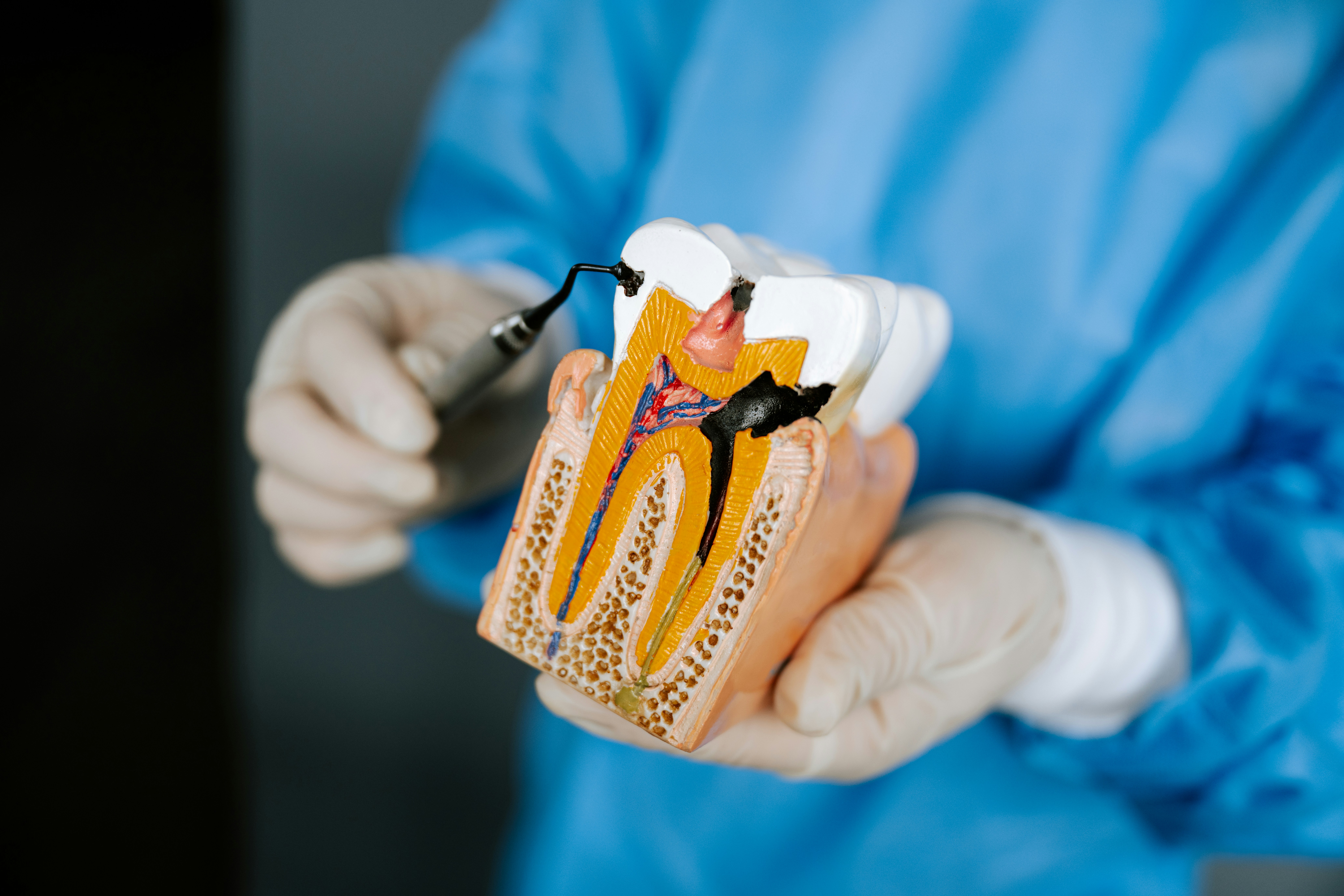
Traditional treatment for advanced gum disease focused primarily on eliminating disease — removing infected tissue and recontouring bone to reduce pockets. While effective at halting progression, this approach could not restore what was already lost. Guided bone and tissue regeneration changes that equation, making it possible to rebuild bone and attachment in pockets where disease has caused significant destruction.
How It Works
As periodontal disease advances, pockets of degenerated bone develop around the roots of affected teeth. These pockets become reservoirs for bacteria, fueling continued infection and bone loss.
During a regenerative procedure, our dentists:
- Thoroughly clean the pocket, removing all infected tissue and bacterial deposits
- Treat the root surface to make it receptive to new tissue attachment
- Place a membrane between the soft tissue and the bone pocket
The membrane acts as a physical barrier, preventing fast-growing soft tissue from filling the space before slower-growing bone has a chance to regenerate. Some membranes are bioresorbable — they dissolve on their own over time. Others are non-resorbable and require a minor second procedure to remove.
Bone graft material and biologics (such as growth factors or platelet-rich fibrin) may be added to the pocket to further support and accelerate regeneration.
Goals of Treatment
Guided regeneration is used to:
- Stabilize at-risk teeth — regenerating bone support around teeth that might otherwise require extraction
- Reduce pocket depths — making long-term maintenance more effective
- Prepare sites for implants — rebuilding bone volume in areas where implants will be placed
- Improve prognosis — converting teeth from a guarded prognosis to a maintainable one
What to Expect
Success with regenerative surgery depends significantly on the patient's commitment to postoperative care. Our dentists will provide detailed dietary and oral hygiene instructions, and will schedule close follow-up visits to monitor healing. Smoking greatly impairs regenerative outcomes and should be discontinued before and after surgery.
Not every patient or every pocket is a candidate for regeneration — the geometry of the bone defect and the overall health of the patient play important roles. During your consultation, our dentists will evaluate whether regenerative therapy is appropriate for your situation and what outcomes are realistic.
Reviewed by Dr. Stephen B. Hutton, DMD · Board-Certified Periodontist, Oral Plastic Surgery · Last updated
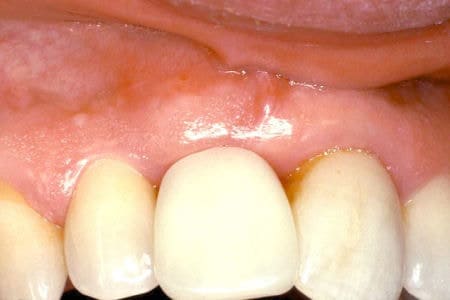
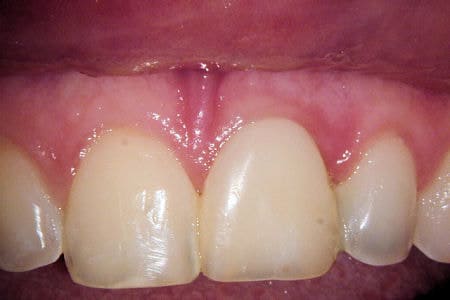
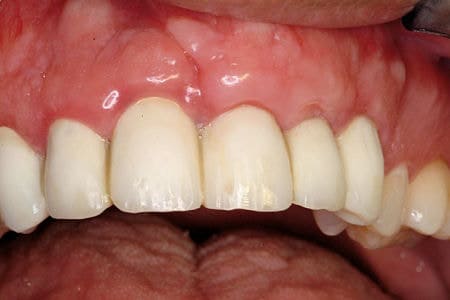
Real Patient Cases
Documented Bone Regeneration outcomes from our practice — full clinical narratives with before-and-after imagery.
Frequently Asked Questions
What is guided bone regeneration?
Guided bone regeneration (GBR) uses a barrier membrane — often combined with bone graft material and biologic growth factors — to direct the body's natural healing response to rebuild bone where it has been lost. The membrane prevents soft tissue from invading the site, giving the slower-growing bone cells space to regenerate.
When is GBR recommended over a standard bone graft?
GBR is particularly effective for larger defects, sites with irregular shapes, or cases where the grafting site would otherwise be dominated by fast-growing soft tissue. It's often used around implants where multiple tissue types need to regenerate in the right sequence.
How successful is guided bone regeneration?
With proper case selection, technique, and materials, GBR success rates are well-documented in the clinical literature. Most cases achieve the volume and density needed to support a planned implant or restoration. Outcomes are best verified with 3D imaging before proceeding to implant placement.
Is the procedure more invasive than a regular bone graft?
Slightly — GBR involves placing a barrier membrane in addition to the graft itself. Recovery is similar to a standard graft: local anesthesia during the procedure, mild tenderness for a few days, and 4–6 months for full integration before the next phase of treatment.
Ready to Start?
Our specialists will evaluate your situation and present clear options — no pressure, no guesswork.
Ready to Take the Next Step?
If you are ready to improve your smile, protect your oral health, or explore your treatment options, our team is here to help you get started.
Take the first step toward a healthier, more confident smile. Book a Pre-Consultation Call and receive expert esthetic oral surgery care.